
Understanding the psychological triggers that influence gambling behavior
The Allure of Risk and Reward
The thrill of gambling often stems from the allure of risk and reward. Many individuals are drawn to the potential for a significant financial windfall, which can trigger an adrenaline rush akin to other high-stakes activities. This psychological trigger is rooted in the concept of variable reinforcement, where unpredictable rewards can create stronger emotional responses and increase the desire to engage in the behavior. The possibility of winning big can overshadow the likelihood of losing, leading players to bet more than they initially intended. For instance, players can enjoy Cricket Duel free play to experience this excitement without the financial commitment.

Moreover, the human brain is wired to seek pleasure and avoid pain, and gambling capitalizes on this instinct. The anticipation of winning stimulates the brain’s reward center, releasing dopamine, which reinforces the behavior. This neurological response can create a cycle where the excitement of potential winnings encourages repeated gambling, sometimes leading to compulsive behavior.
The Role of Cognitive Biases
Cognitive biases play a significant role in gambling behavior, influencing how individuals perceive risks and rewards. One prevalent bias is the illusion of control, where gamblers believe they can influence the outcome of games of chance, such as slot machines or roulette. This belief can lead to increased gambling, as players mistakenly think their choices will affect the results. Such biases can distort reality and foster a false sense of confidence, making it difficult for individuals to recognize the random nature of gambling outcomes.
Another common cognitive distortion is the gambler’s fallacy, where individuals believe that past events can influence future outcomes. For instance, someone might think that if a particular number has not appeared in a while, it is “due” to come up soon. This misunderstanding of probability can lead players to make irrational betting decisions, further entrenching them in the gambling cycle.
Emotional Triggers and Gambling Behavior
Emotions significantly influence gambling behavior, often serving as a trigger for betting activities. Many people use gambling as a coping mechanism to escape from stress, anxiety, or depression. The excitement of gambling can provide a temporary distraction from negative emotions, leading individuals to gamble more frequently during times of distress. This emotional escape can create a cycle where gambling becomes a primary source of comfort, potentially resulting in dependency.
Additionally, social influences can exacerbate emotional triggers. The presence of friends or peers engaging in gambling can enhance feelings of excitement and camaraderie, making the activity more appealing. This social aspect often encourages individuals to participate in gambling activities, even if they do not possess a strong desire to do so initially. The reinforcement of social interactions during gambling can lead to increased time spent betting, further impacting behavior.
The Impact of Environment on Gambling Choices
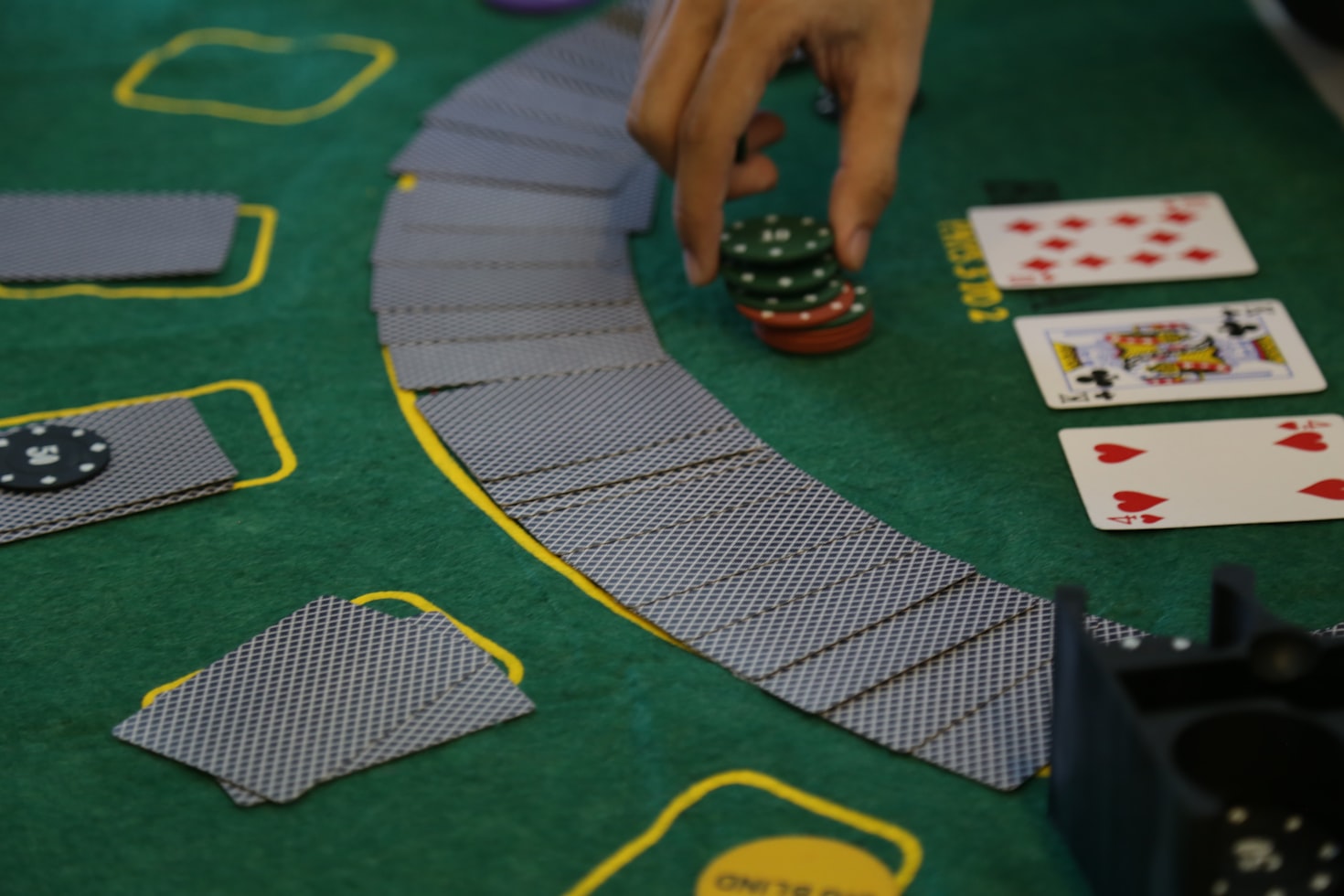
The environment plays a crucial role in shaping gambling behavior. Factors such as the design of casinos, the presence of sounds and lights, and the availability of alcohol can significantly influence a gambler’s decision-making process. Casinos are strategically designed to create an immersive experience that keeps players engaged and encourages them to gamble for extended periods. The sensory overload often distracts players from their financial limits, promoting excessive spending.
Furthermore, online gambling platforms have created new environments that can exacerbate impulsive behaviors. With the ability to gamble from the comfort of home, individuals may find it easier to engage in gambling without the usual social constraints. The anonymity of online gambling can also reduce feelings of accountability, leading to riskier betting behaviors. This shift in environment underscores the importance of understanding how external factors can trigger and influence gambling habits.
Cricket Duel and the Thrill of Online Gambling
Cricket Duel is an excellent example of how modern online casino games blend psychological triggers with entertainment. By combining the excitement of cricket with the thrill of betting, this game captures the attention of both casual players and seasoned gamblers. With its user-friendly interface and high potential payouts, Cricket Duel utilizes psychological principles to create a compelling gambling experience that keeps players returning for more.
The game’s design encourages users to engage through a demo mode, allowing them to practice before betting real money. This feature caters to the psychological need for safety while still offering the adrenaline rush associated with gambling. By understanding these psychological triggers, developers can create games that not only entertain but also resonate with players on a deeper level, making the gambling experience more engaging and rewarding.